How to Troubleshoot Common Electrical Problems Before Calling an Expert
When Your Power Goes Out: First Thoughts
The lights flicker. The outlet you always use for the coffee maker is suddenly dead. Maybe your breaker trips again, just as the meeting’s about to start. Electrical problems don’t care if you’re at home or work—they’re always inconvenient. And sometimes, a little unsettling.
At Lombardo Electric Inc, we know the urge to fix things yourself. But electricity carries risks, and a wrong move can mean more than just a ruined appliance. Here’s how to troubleshoot common electrical issues safely, spot when it’s time to call in a licensed electrician, and keep your home or business running smoothly.
The Most Common Electrical Problems
Let’s break down what you might be facing:
- Dead Outlets: Suddenly, a plug stops working.
- Flickering or Dimming Lights: The room feels like a haunted house.
- Tripped Breakers: Everything on one circuit goes dark.
- Circuit Overloads: Too many devices, not enough power.
Each is a red flag waving for your attention. But you don’t need specialized tools or a deep knowledge of wiring to start the troubleshooting process.
Quick Safety Checklist Before You Start ⚡
Safety isn’t optional. Here’s how to protect yourself:
- Turn off power to the affected circuit at the breaker panel before touching outlets or switches.
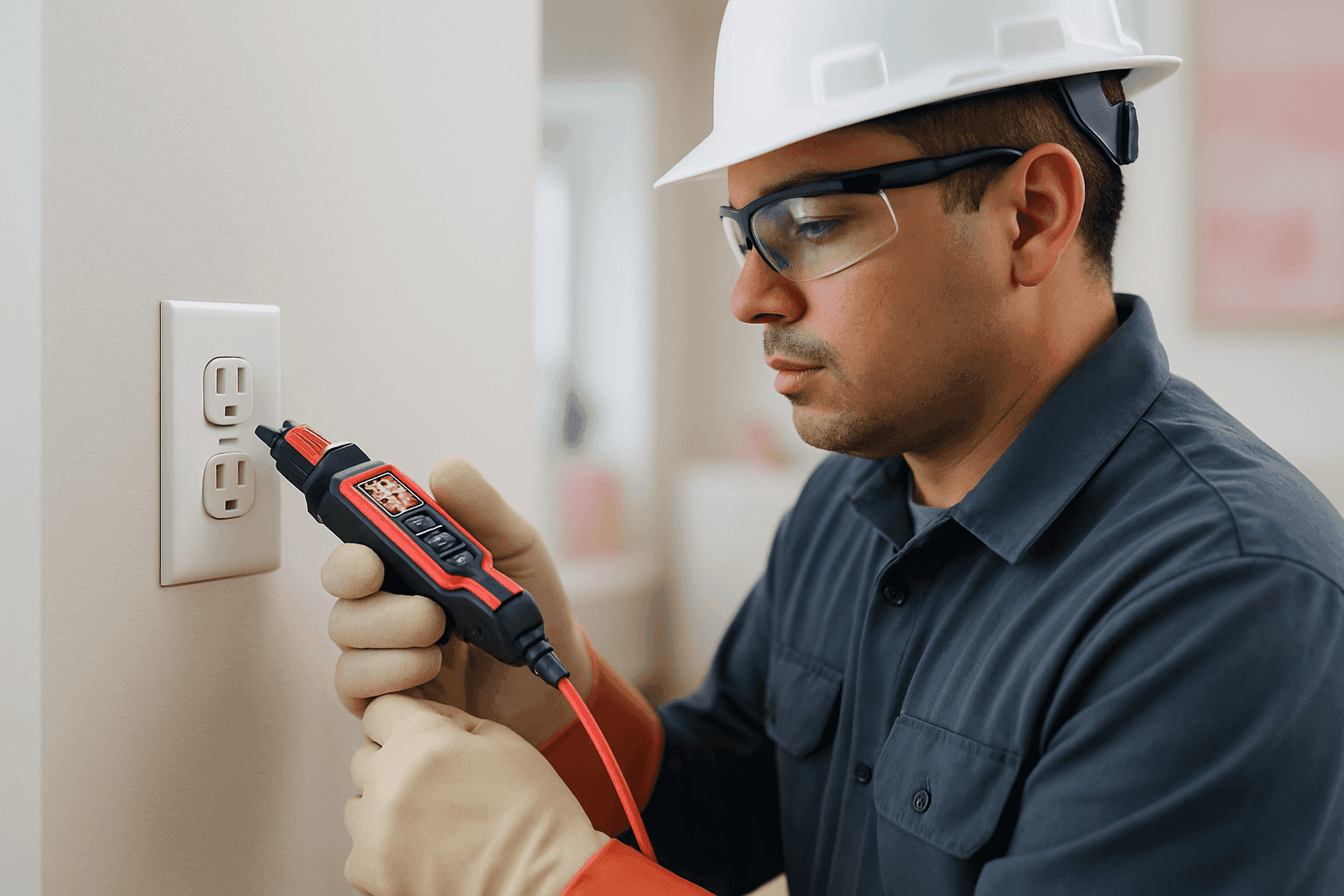
- Use a non-contact voltage tester to confirm power is truly off.
- Dry hands only—never work with electricity if you’re wet or standing on a damp surface.
- Don’t force anything—if a cover, wire, or switch won’t budge, stop.
- Never open the main electrical panel unless you’re qualified.
- Keep children and pets away from the area you’re checking.
If you feel uncertain at any step, stop and contact a qualified electrician. The National Fire Protection Association (NFPA) stresses that electrical safety is about prevention, not bravery.
Problem 1: Dead Outlets
A dead outlet can be as simple as a tripped GFCI or as complex as a hidden wiring failure.
Steps to Check
- Test other outlets in the room. Is it just one, or several?
- Check for a reset button—many kitchens and bathrooms use GFCI outlets. Press “reset” if you find one.
- Inspect the breaker panel. Look for any tripped switches (they’ll sit between ON and OFF).
- Plug in a lamp or phone charger to confirm the outlet is really dead—not just the device.
When to call a pro:
- GFCI won’t reset.
- Multiple outlets are dead.
- You smell burning or see scorch marks.
- Breakers trip repeatedly.
Problem 2: Flickering or Dimming Lights
A flicker here and there? Or the whole house blinking like a disco?
Steps to Check
- Tighten the bulb. Sometimes, it’s just loose.
- Try another bulb. The culprit could be a dying light bulb.
- Note patterns—does it happen when the fridge or AC turns on? Large appliances draw more power and can cause dips.
- Check the fixture. Wiggle the switch gently; listen for crackling or buzzing.
When to call a pro:
- Flickering affects multiple rooms.
- You hear buzzing or see sparks.
- Lights dim when nothing else is running.
Problem 3: Tripped Breakers
A breaker is like a bouncer at a club. When too much power comes in, it cuts off the party to prevent a disaster.
Steps to Check
- Find the breaker panel and identify the tripped switch.
- Turn it off, then on again—firmly, but without force.
- Unplug devices on that circuit before resetting (to prevent overload).
- See if it holds. If it instantly trips, something’s wrong.
When to call a pro:
- The breaker won’t reset.
- You’re unsure which devices caused the trip.
- There’s a burning smell or visible damage at the panel.
Problem 4: Circuit Overloads
Too many devices plugged into a single circuit can trip breakers, melt wires, or even cause fires.
Steps to Check
- Count appliances on one outlet or power strip.
- Check for heat—outlets should never be warm.
- Distribute devices across different outlets or circuits.
- Upgrade outdated wiring—if your property is older, your panel may not handle modern loads.
When to call a pro:
- Overloads are frequent.
- You notice buzzing, heat, or discoloration.
- You’re using extension cords as permanent fixes.
DIY vs. Call a Pro: Knowing the Line
It’s tempting to solve things yourself. For some issues—resetting a tripped breaker, replacing a bulb—you’re in the clear. But if you’re ever unsure, step back. Electricity is invisible, but its dangers are very real.
-
DIY Tasks:
- Resetting GFCIs and breakers
- Swapping lightbulbs
- Checking visible cords for damage
-
Call a Professional Electrician For:
- Anything inside walls or panels
- Repeated tripping or flickering
- Burning smells, buzzing, or sparks
- New installations or upgrades
Think of it like plumbing: a clogged sink might be a DIY fix, but a burst pipe isn’t.
What Electricians Do On Arrival
When a Lombardo Electric Inc technician shows up, here’s what happens:
- Thorough assessment of the affected circuit and nearby devices.
- Testing with certified tools—multimeters, circuit analyzers, and more.
- Visual inspection for signs of heat, arcing, or loose connections.
- Clear explanation of the problem and safe repair options.
- Compliance checks with National Electrical Code (NEC) and local regulations.
Our crew brings experience, specialized gear, and a trained eye. We address not just the symptom, but the root cause, and document our findings for your peace of mind.
Prevention & Maintenance Tips 🛠️
Stop problems before they start. Here’s how:
- Schedule regular electrical safety inspections—especially for older homes or buildings.
- Test GFCI and AFCI outlets monthly.
- Don’t overload outlets—spread out high-draw appliances.
- Replace fraying cords or cracked outlets immediately.
- Have surge protection installed for sensitive electronics.
- Update your electrical panel if you’re adding new appliances or EV chargers.
- Label your breaker panel—so you know what controls what.
Want more? The Electrical Safety Foundation International (ESFI) offers detailed guides for both homeowners and businesses.
Costs & Time Factors
Every job is unique. Minor troubleshooting (like resetting a breaker) is quick and often free if you do it yourself. But diagnosing wiring faults, replacing outlets, or upgrading panels takes time and skill.
- Simple fixes: 5–30 minutes (breaker resets, bulb swaps)
- Outlet or switch replacement: 30–60 minutes
- Panel upgrades or rewiring: Several hours to days
- Costs: Vary based on complexity, parts, and property age (consult for estimates)
Remember: cutting corners can mean bigger bills later on. Professional electricians ensure everything’s done right—the first time.
When It’s an Emergency
Some situations can’t wait:
- Burning smell or smoke from outlets, panels, or wiring.
- Sparking, buzzing, or popping noises.
- Power outage without obvious cause—especially during storms.
- Water leaks near electrical systems.
Call emergency services if there’s fire or immediate danger, then reach out to Lombardo Electric Inc. We offer 24 hour service to keep you safe.
FAQ: Electrical Troubleshooting
Can I use extension cords as a permanent solution?
No. Extension cords are for temporary use. Permanent wiring upgrades are safer and required by code.
Why do my lights dim when I use the microwave or AC?
Large appliances draw heavy current. If dimming is severe or frequent, your wiring or panel may be outdated.
How often should I get a professional inspection?
Every 3–5 years for most properties, or before buying/selling. Older homes or commercial buildings may need more frequent checks.
What tools should I keep on hand?
A non-contact voltage tester, flashlight, and spare bulbs are smart basics for any home or business.
Local/Seasonal Considerations
Winter storms, summer heat waves, and remodeling surges can all stress your electrical system. In older neighborhoods, wiring may not meet today’s demands. If you’ve added a pool, spa, or EV charger, your needs may have changed, too.
Schedule inspections after major weather events or renovations. And always have an emergency plan if the power goes out—especially for critical equipment or sensitive electronics.
Call Lombardo Electric Inc now — or reach us anytime at 877-779-0034 .