Electrical Safety Checklist: Preventing Hazards at Home & Work
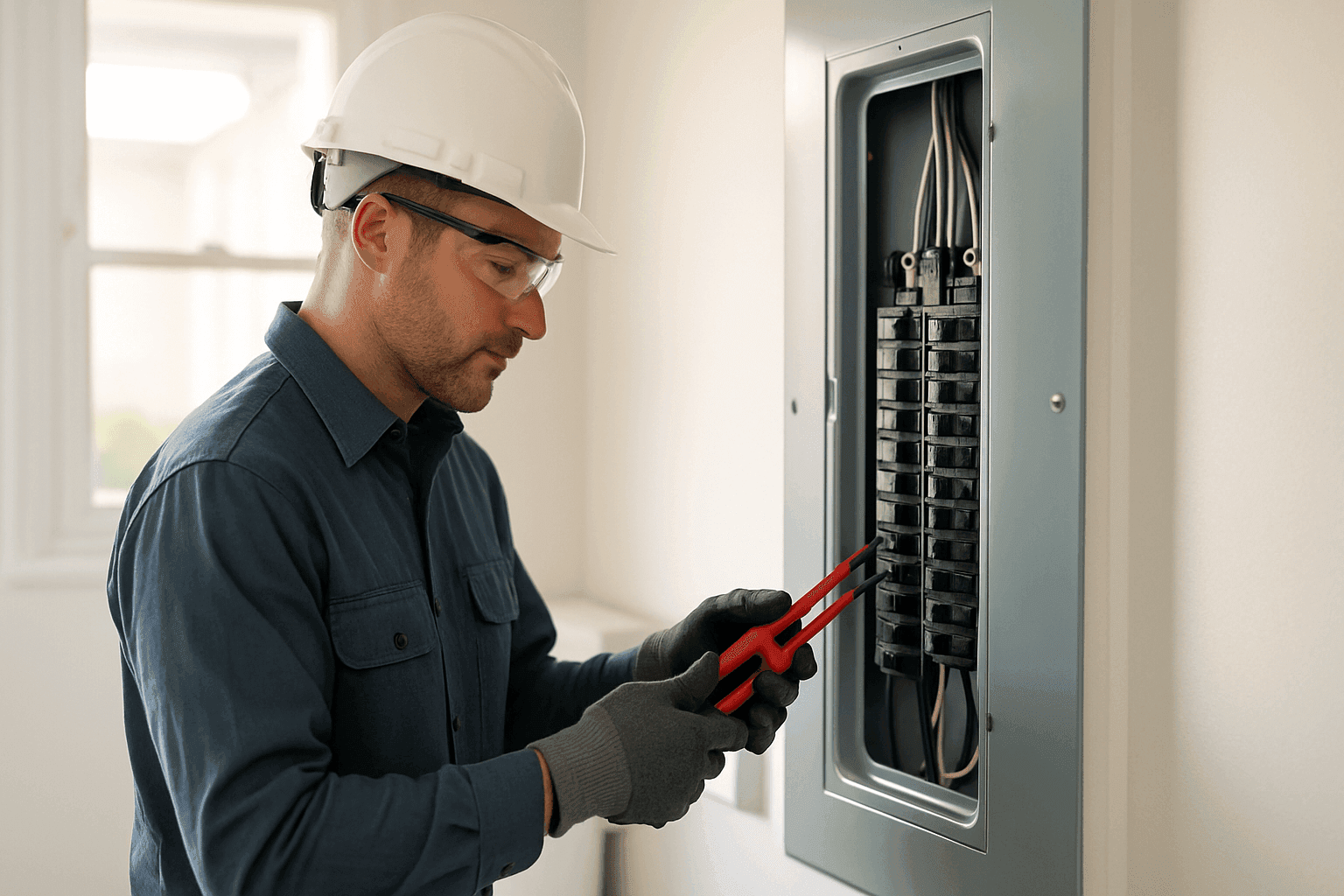
Electricity is the heartbeat of modern life. Flick the switch—lights on, coffee brewing, devices charging. But hidden dangers can lurk behind walls and outlets. At Lombardo Electric Inc, we see how quickly an overlooked hazard can become an emergency.
Electrical safety isn’t just for industrial sites or big businesses. It starts at home, in offices, restaurants, and every place where wires hum quietly behind the scenes. Here’s how to spot risks, keep your family and team safe, and know when it’s time for a licensed electrician.
Common Hazards: What Can Go Wrong?
Imagine your home or business as a busy train station. Cords, panels, and circuits are the tracks—if one goes faulty, the whole system falters. The most common issues include:
- Old or damaged wiring
- Overloaded outlets or power strips
- Faulty appliances
- Water near electrical outlets
- Flickering lights or tripping breakers
- DIY repairs gone wrong
These problems can lead to fire, shocks, or costly equipment failures. The National Fire Protection Association (NFPA) reports that electrical failures are a leading cause of home fires. Prevention starts with vigilance.
Your Electrical Safety Checklist 📝
Here’s a short, practical list to help you spot and stop hazards—at home or at work:
- Test smoke and carbon monoxide detectors every month. Replace batteries twice a year.
- Inspect cords and plugs for cracks, frays, or exposed wires. Replace damaged items immediately.
- Keep water away from outlets, cords, and appliances.
- Don’t overload outlets—one high-wattage appliance per outlet.
- Check your panel for tripped breakers or hot spots. Never ignore burning smells or buzzing sounds.
- Use surge protectors for expensive electronics. Replace surge strips every few years or after a major surge.
- Schedule routine maintenance from a licensed electrician. Annual safety inspections are a must.
- Look for flickering lights, warm outlets, or frequent circuit trips—these are red flags.
- Keep outdoor electrical equipment dry and use weather-proof covers.
- Unplug holiday lights before bed or leaving the building.
Consistency is key. Build these checks into your monthly or seasonal routine.
DIY or Call a Professional Electrician?
Some jobs are safe for the average person. Others can turn risky in a heartbeat. Use this rule of thumb: If you’d need to open a panel, cut wires, or stand on a ladder with tools in hand—stop.
DIY Safely:
- Replace light bulbs or simple outlet covers.
- Reset tripped breakers (if you know why it tripped).
- Plug in appliances or install surge protectors.
Call an Electrician for:
- Panel upgrades or breaker replacements
- Rewiring or high-voltage work
- Adding new outlets or circuits
- Pool, spa, or EV charger installation
- Electrical safety inspections or certificates
Not sure? When in doubt, call Lombardo Electric Inc. The risks aren’t worth guessing.
What the Pros Do on Arrival
When a Lombardo Electric Inc electrician arrives, the process is thorough and methodical. Here’s what to expect:
- Assessment: We ask about issues—flickering lights, smells, recent outages.
- Visual check: Examining panels, outlets, switches, and exposed wiring.
- Testing: Using industry-approved tools to check voltage, current, and circuit integrity.
- Code compliance: Ensuring all work meets the National Electrical Code (NEC) and local standards.
- Written report: You’ll get a clear summary of findings and next steps.
Our team holds recognized certifications. We work to standards set by the National Electrical Contractors Association (NECA) and the Occupational Safety and Health Administration (OSHA).
Prevention & Maintenance: Building Good Habits ⚡
Think of electrical maintenance like a regular oil change for your car. It’s routine, but it keeps everything running safely.
- Annual safety inspections: Book a yearly check, especially for older properties.
- Upgrade outdated panels: Old fuse boxes or panels with frequent trips may need replacement.
- Install GFCI outlets: Especially near kitchens, baths, and anywhere water and electricity mix.
- Label your panel: So every breaker is clearly marked—no guessing during an emergency.
- Test backup generators: Especially before storm season.
- Practice good cord management: Keep walkways clear to prevent tripping and cord damage.
Routine care helps catch little problems before they become big headaches.
Costs & Time Factors
Every situation is unique, but here’s what you can expect:
- Routine safety inspections: Usually take 1–2 hours for homes, longer for larger commercial sites.
- Panel upgrades, rewiring, or generator installs: Several hours to a full day, depending on scope.
- Emergency repairs: Fast response, but time varies by problem.
Costs range based on complexity, materials, and building type. Investing in safety now can prevent far greater expense down the road—both in repairs and potential damage.
When It’s an Emergency
Some electrical problems can’t wait. If you notice any of these, act immediately:
- Smoke, fire, or burning smells from outlets or panels
- Sparking, popping, or buzzing from electrical equipment
- Power loss with no clear cause
- Water intrusion in walls or panels after storms or leaks
- Sustained shocks from switches or outlets
What to do:
- Turn off power at the main breaker—if safe.
- Evacuate if there’s fire or smoke.
- Call emergency services if life or property is at risk.
- Contact a licensed electrician for urgent repairs.
FAQ: Electrical Safety at a Glance
How often should I have an electrical safety inspection?
Residential properties: once a year. Commercial sites: every 6–12 months or after major renovations.
Are surge protectors really necessary?
Yes. They shield appliances and sensitive electronics from sudden spikes, especially during storms or power fluctuations.
What’s the difference between GFCI and AFCI outlets?
GFCI (Ground Fault Circuit Interrupter) protects against shock near water. AFCI (Arc Fault Circuit Interrupter) protects against fire from wiring faults—both are now required in many new builds per NEC guidelines.
Can I plug a space heater into a power strip?
No—always plug space heaters and high-wattage appliances directly into wall outlets to prevent overheating.
Local & Seasonal Considerations 🏠
Weather and local conditions can turn small risks into big problems.
- Storm season: Test backup generators, secure outdoor lighting, and check sump pump circuits.
- Holiday lighting: Use indoor/outdoor-rated lights as appropriate; never daisy-chain extension cords.
- High humidity/heat: Inspect outdoor panels and pool/spa wiring more often.
- Older homes: Schedule more frequent checks—wiring standards have changed over time.
Stay proactive. Local codes and weather can influence your risks—ask about tailored maintenance near you if unsure.
Electrical safety isn’t a one-time task—it’s a habit that protects everything you value. Whether you’re a homeowner, business manager, or property owner, use this checklist to keep your space safe and sound.
Call Lombardo Electric Inc now — or reach us anytime at 877-779-0034 .